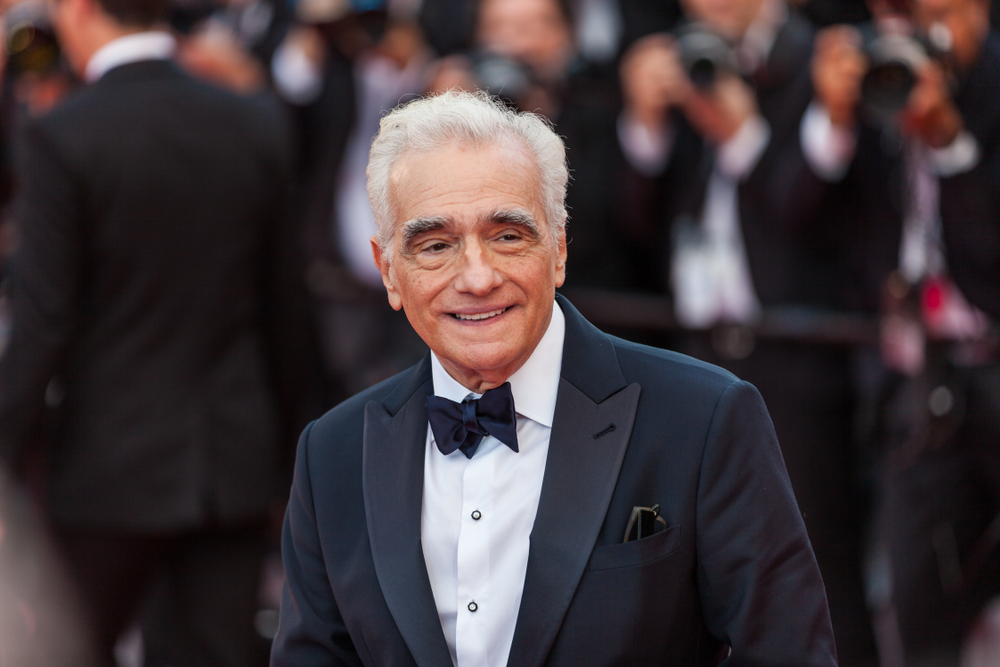
Legendary filmmaker Martin Scorsese has ignited a fresh debate in Hollywood after publicly endorsing an artificial intelligence tool that he says has transformed the way he develops storyboards during film pre-production. While the Oscar-winning director argues that AI can help filmmakers communicate creative ideas more efficiently, critics warn that the technology threatens artists’ livelihoods and raises concerns about the use of copyrighted creative work in AI training.
A Hollywood Icon Embraces Artificial Intelligence
Martin Scorsese, the acclaimed director behind classics such as Taxi Driver, Goodfellas, and The Wolf of Wall Street, has joined AI company Black Forest Labs as an adviser. The company recently released a video showing the filmmaker using AI-generated imagery to rapidly create storyboards that visualize characters, locations, and scenes.
Explaining his interest in the technology, Scorsese said he has long been fascinated by the relationship between storytelling and technological innovation.
“I’m interested in the intersection of technology and storytelling, and seeing how that can push the bounds of creativity to create deeper and richer experiences for audiences,” Scorsese said.
The director also encouraged openness toward technological change, adding:
“Remember, cinema is a young medium, only around 125 years old, so we have to be open to how it can evolve.”
From 3D to AI: A History of Innovation
Scorsese emphasized that embracing new technology is nothing new for him. He pointed to his use of 3D technology in Hugo and digital de-aging techniques in The Irishman as examples of tools that helped bring his creative vision to life.
According to the filmmaker, AI is simply the latest advancement that can improve communication between directors and production teams.
He explained that the technology helps him share ideas more effectively with key collaborators such as cinematographers, production designers, and art directors.
“I recently tested this out on a scene and the ability to visualize and immediately share the storyboard was creatively freeing,” Scorsese said.
He added:
“During the pre-production process, time costs money, and this allowed us to move faster without sacrificing quality or craft.”
Industry Backlash Erupts
Despite Scorsese’s enthusiasm, his endorsement sparked sharp criticism from artists and film professionals concerned about AI’s growing influence in the entertainment industry.
Karla Ortiz, an artist who worked in the art departments of major productions including Avengers: Endgame, Black Panther, and Doctor Strange, accused the director of undermining storyboard artists.
“He throws every single storyboard artist he’s ever worked with under the bus, as he demolishes their livelihoods with models that are likely trained on those storyboard artist’s same works,” Ortiz wrote on X.
She added:
“To use his legacy and power for this is just so disgusting.”
Animation director Samuel Deats echoed similar concerns, arguing that AI-generated storyboards offer little benefit while relying on the work of countless artists.
“It takes literally seconds for me to storyboard a shot, there is absolutely no reason to need AI built on the stolen work of millions of artists to storyboard your vision, have some damn pride and respect your peers,” Deats said.
Supporters See AI as Just Another Creative Tool
Not everyone shared the criticism. Many supporters argued that AI should be viewed as another production tool, similar to visual effects or computer-generated imagery.
One social media user wrote:
“Using AI is effectively just another special effect like CGI. And as shown, Scorsese is not adverse to such technological advancements.”
Another commenter defended the technology’s role in filmmaking, saying:
“If AI can help someone like Scorsese show his cinematographer or production team what he’s imagining more quickly, I don’t really see the issue.”
The user added:
“At that point, it feels less like replacing creativity and more like giving the creative process a better tool.”
Hollywood Remains Divided on AI
Scorsese joins a growing list of prominent filmmakers experimenting with artificial intelligence.
Director Darren Aronofsky’s studio has used AI to recreate scenes from the American Revolution, while Steven Soderbergh has incorporated AI-generated visuals into a documentary about John Lennon. AI technology has also been used to recreate the late actor Val Kilmer for a forthcoming film, following his death in April 2025.
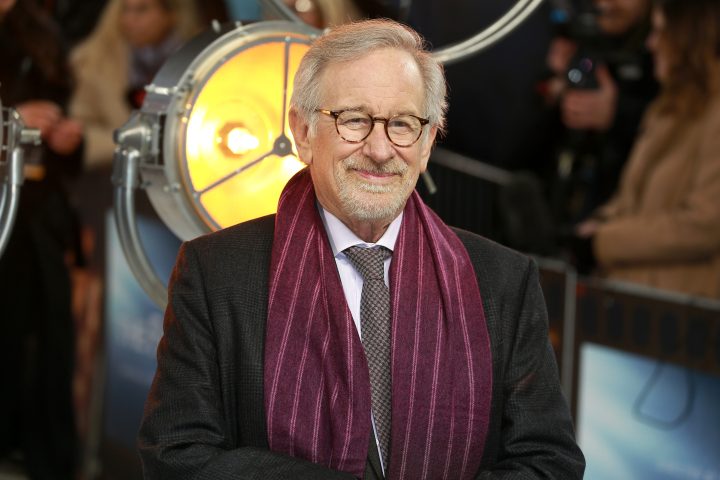
Meanwhile, Steven Spielberg has expressed cautious optimism about the technology, saying AI could help “save us a lot of legwork” in tasks such as location scouting. However, he stressed that AI should remain “a tool in a large tool chest” and should never have the “final word on anything creative.”
Others remain firmly opposed. Guillermo Del Toro stated last year that he would “rather die” than use AI in his creative work.
The debate resurfaced again this week when director Adam Shankman rejected claims that AI had been used in his upcoming film Stop! That! Train! starring RuPaul.
“Every shot in ‘Stop! That! Train!’ was made by human hands!” Shankman wrote on Instagram.
He continued:
“There are a sum total of ZERO shots conceived by AI in the movie. We employed hundreds of VFX artists who all killed themselves getting this out for release and not one job was taken out of human hands.”
Martin Scorsese’s endorsement of AI highlights the growing divide within Hollywood over the role of artificial intelligence in filmmaking. While supporters view AI as a valuable tool that can streamline creative workflows and enhance communication, critics fear it could undermine artists and accelerate job displacement. As more filmmakers experiment with the technology, the debate over whether AI represents innovation or disruption is likely to remain one of the industry’s most contentious issues.