A major immigration program closes
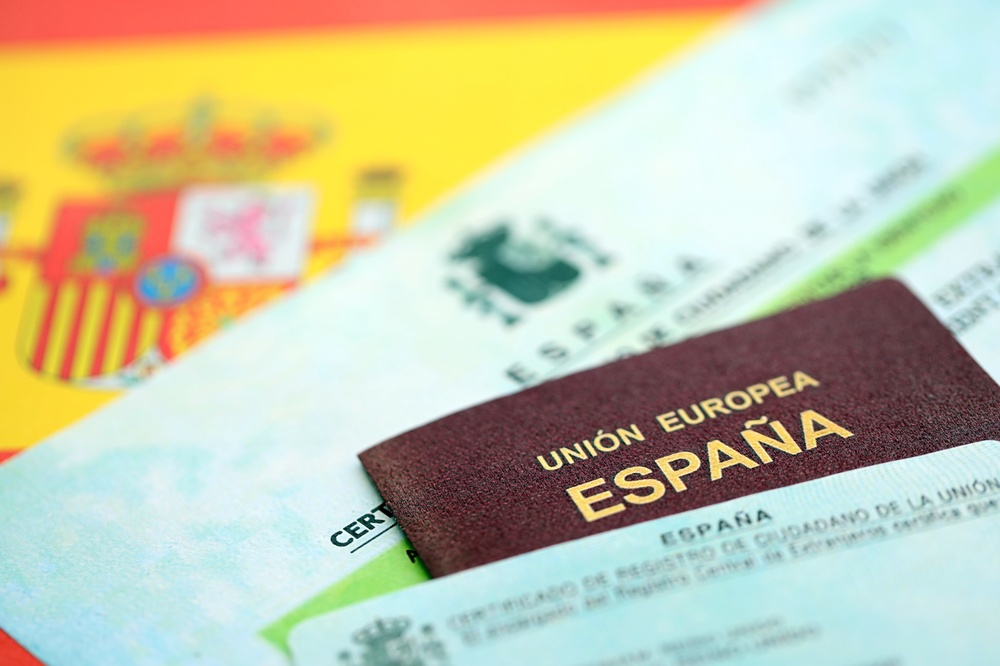
Spain has received a surge of applications from immigrants seeking to regularize their status under a temporary program launched earlier this year.
The measure was announced in January, opened in April and closed Tuesday. It was designed for foreigners already living and working in Spain without authorization.
One-year permits for eligible applicants
The program offered a renewable one-year residence permit to immigrants without legal status.
To qualify, applicants had to show they had lived in Spain for at least five months and had no criminal record.
Applications far exceed early forecasts
By June 12, the Spanish government had received 900,000 applications for work and residency permits.
The government had initially estimated that about 500,000 people could benefit, but think tanks and Spanish police had placed the likely number closer to 1 million.
Immigration experts expect the final total to surpass 1 million applicants once all submissions are counted.
Sánchez defends the measure
Spanish Prime Minister Pedro Sánchez described the policy as “an act of justice and a necessity.”
He argued that people who already live and work in Spain should “do so under equal conditions” and contribute through taxes.
The approach stands in sharp contrast to stricter deportation policies being pursued in other parts of the European Union and in the United States.
Hundreds of thousands already processed
By mid June, the government estimated that 360,000 applications had been successfully processed.
Those applicants are expected to receive temporary residence and work permits.
The final number will rise because authorities have three months to review all applications filed by the June 30 deadline.
Colombians lead the applicant group
Colombian nationals accounted for 30% of applicants, making them the largest group in the program.
Colombians are also one of Spain’s largest immigrant communities, with more than 980,000 Colombian-born residents living in the country, according to the National Statistics Institute.
Moroccans represented 14% of applicants, followed by Venezuelans at 10% and Peruvians at 9%.
Immigrants support key sectors
Spain’s economy relies heavily on immigrant labor in areas such as agriculture, tourism and services.
Many workers in those sectors come from Latin America and Africa, regions that have become central to Spain’s recent demographic growth.
One in five residents born abroad
About one in five people living in Spain was born outside the country.
Spain now has around 50 million residents, including roughly 10 million people born elsewhere.
Many immigrants have arrived from Colombia, Venezuela and Morocco, often fleeing violence, political instability or limited economic opportunities.
Spain has used regularization before
This is not the first time Spain has carried out a broad legalization effort for undocumented immigrants.
The country has previously launched six mass regularization programs.
The first three took place under Socialist Party Prime Minister Felipe González beginning in 1986. Conservative Prime Minister José Aznar’s government also oversaw two such measures in the 2000s.
A larger program than 2005
The current effort appears set to surpass Spain’s previous largest regularization process.
In 2005, 576,500 immigrants obtained legal status, a measure that generated intense public debate and scrutiny.
This year’s program has attracted far more applications, underlining both the scale of undocumented work in Spain and the government’s decision to bring more workers into the formal economy.