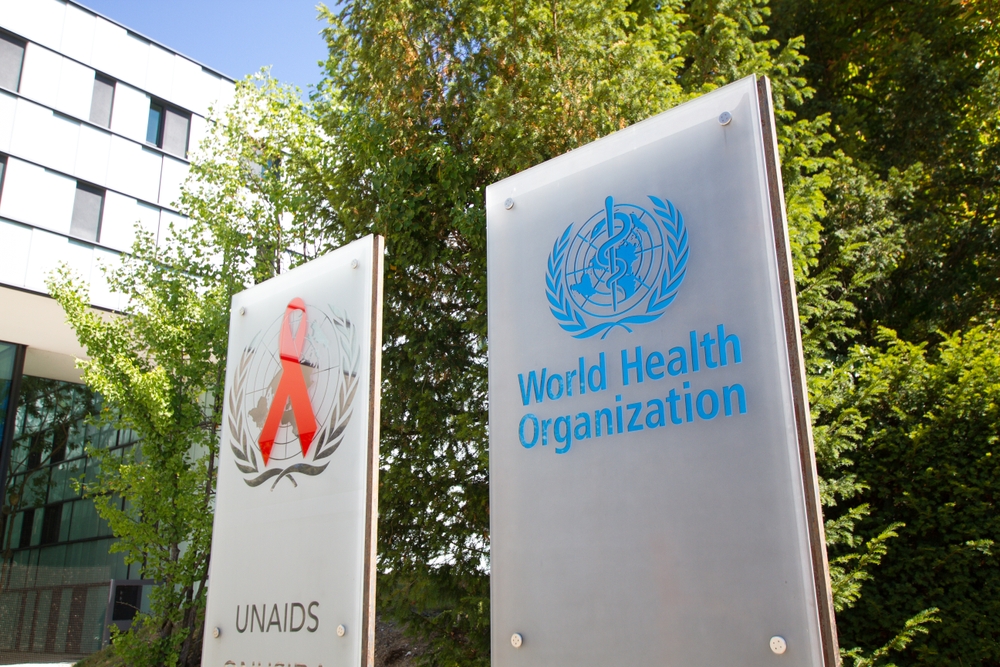
UNAIDS warns of renewed pressure on HIV response
The world faces the risk of a resurgence in the HIV epidemic after global funding for HIV programmes declined by nearly one-fifth last year, according to UNAIDS, the United Nations agency leading the global response to AIDS.
The organization warned that reduced financial support could threaten decades of progress in preventing new infections, expanding treatment access and reducing AIDS-related deaths.
International HIV funding falls to lowest level in years
According to the UNAIDS report released during the International AIDS Conference in Brazil, international HIV funding fell by 18% in 2025 to $7.3 billion, the lowest level in nearly two decades.
The agency said the decline creates significant risks for ongoing programmes aimed at preventing HIV transmission and providing treatment to vulnerable communities.
“The international community has entered a period of profound political and financial upheaval that threatens decades of hard-won gains against HIV,” UNAIDS said in its report.
US funding cuts affected global HIV programmes
The United States had previously provided around 75% of international HIV funding before President Donald Trump returned to the White House in January 2025.
Shortly after taking office, Trump ordered a temporary suspension of foreign aid programmes, including HIV-related funding. Although some life-saving HIV activities were restored shortly afterward, UNAIDS said many prevention efforts were reduced.
The organization warned that disruptions to funding have affected HIV prevention, testing and community-based services that support people most affected by the disease.
Global goal to end AIDS by 2030 remains at risk
UNAIDS reiterated that the global target of ending AIDS as a public health threat by 2030 remains off track due to funding challenges and other health crises.
An estimated 1.2 million people acquired HIV in 2025, according to the report.
While increases in domestic funding from some countries helped offset part of the decline in international support, total HIV resources still fell by 6% last year.
Africa faces major challenges from prevention cuts
Some of the largest reductions in HIV prevention spending occurred in sub-Saharan Africa, a region responsible for around half of new global HIV infections.
National data from Cameroon, Nigeria and Zambia showed that the number of people receiving pre-exposure prophylaxis (PrEP), a medication used to prevent HIV infection, fell by more than 50%.
UNAIDS said funding disruptions have severely affected prevention programmes, testing services and treatment support, particularly community-led initiatives that help reach people at the highest risk.
UNAIDS calls for renewed global commitment
The agency said restoring international cooperation and addressing inequalities will be essential to maintaining progress against HIV.
Without renewed investment and coordinated action, UNAIDS warned that years of progress could be reversed and the world could face a renewed HIV epidemic.