Experts warn about rising tanning trends among youth
Nichole Sims started using tanning beds at age 15 because many people around her were doing the same, especially before major events like homecoming and prom. Eight years later, she was diagnosed with melanoma, a potentially serious form of skin cancer.
Today, Sims shares her experience online to challenge misinformation about tanning and push back against social media trends that promote tanning as a beauty standard or mood booster.
Health experts are increasingly concerned about the renewed popularity of tanning among young adults, as social media platforms have helped bring tanning culture back into the spotlight.
Tanning bed use increases melanoma risk
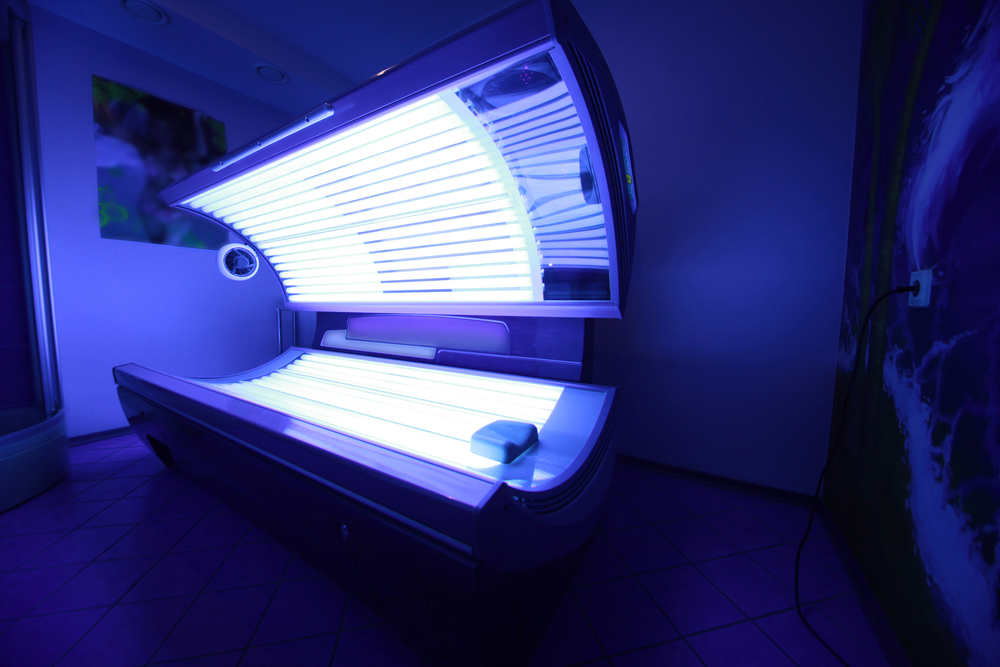
Research has shown that tanning beds can significantly increase the risk of developing melanoma by exposing the skin to intense ultraviolet (UV) radiation.
Dr. Pedram Gerami and researchers at Northwestern University studied skin samples from tanning bed users and compared them with samples from people who had not used tanning beds. They found that tanning bed users had nearly three times the risk of developing melanoma.
When skin cells called melanocytes are exposed to UV radiation, the DNA inside those cells can become damaged. Tanning beds can produce UV exposure levels that are more than 10 times stronger than natural sunlight.
Gerami’s research found that melanocytes from tanning bed users showed more than double the DNA mutation rate compared with people whose UV exposure came only from outdoor sunlight.
These mutations can accumulate over time and increase the likelihood that damaged cells develop into melanoma.
Young adults face tanning misconceptions
A 2025 survey from the American Academy of Dermatology found that younger adults are more likely to believe common misconceptions about tanning and skin protection.
More than one-fifth of young adults surveyed said they prioritized getting a tan over protecting their skin. Many also believed that having a “base tan” could protect them from sunburn, despite evidence showing that tanning does not provide meaningful protection from UV damage.
Dermatologists say social media has contributed to the spread of inaccurate information, including claims that tanning is harmless or that sunscreen is dangerous.
Dr. Anthony Rossi, a dermatologist at Memorial Sloan Kettering Cancer Center, said tanning has become popular again among younger generations while education about skin cancer prevention has received less attention.
“There’s really no such thing as a safe tan,” Rossi said.
Tanning beds are classified as cancer-causing
The World Health Organization classifies tanning beds as cancer-causing agents, placing them in the same category as substances such as tobacco and asbestos.
According to the American Academy of Dermatology, using tanning beds before age 20 can increase the risk of developing melanoma by 47%.
Several U.S. states have introduced restrictions on tanning bed use among minors. California became the first state to ban tanning beds for people under 18 in 2012, followed by additional states implementing similar restrictions or requiring parental consent.
However, the U.S. Food and Drug Administration withdrew a proposed federal rule in 2026 that would have prohibited tanning bed use among minors. The decision raised concerns among health experts that it could create confusion about the dangers of indoor tanning.
How parents can discuss tanning risks with teens
Experts say conversations about tanning can be challenging because teenagers often focus more on immediate appearance than long-term health risks.
Sherry Pagoto, a psychologist at the University of Connecticut who studies tanning behavior, suggests focusing conversations on visible effects of UV exposure, such as premature skin aging, rather than only discussing future cancer risks.
Parents can also encourage safer choices by scheduling dermatologist visits, using sunscreen regularly at home and offering alternatives such as self-tanning products.
Pagoto notes that parents can influence teen behavior by modeling healthy habits and creating an environment where skin protection becomes part of everyday routines.