Japan’s population has been declining for decades, but one age group continues to grow. For the first time, the number of people aged 100 or older has surpassed 100,000, setting a new record in the country known for its exceptional longevity.
The number of centenarians reached 107,677 in September, rising by nearly 8,000 from the previous year and marking the 56th consecutive annual increase, according to Japan’s Ministry of Health, Labor and Welfare.
Women represent the vast majority of Japan’s centenarian population, accounting for 88% of the total, or 94,298 people.
Japan Continues to Lead in Life Expectancy
Health Minister Kenichiro Ueno highlighted the milestone as a positive sign, saying he was pleased that many people are remaining active and healthy into old age.
Japan consistently ranks among the countries with the highest life expectancy worldwide. The average life expectancy reached 84 years in 2024, compared with 79 years in the United States, according to World Bank data.
Researchers have linked Japan’s longevity to several factors, including traditional diets, strong healthcare services and lifestyle habits that promote long-term wellbeing.
Some residents also embrace the Japanese concept of “ikigai,” a philosophy focused on finding purpose, meaning and enjoyment in daily life.
Japan’s Oldest Residents
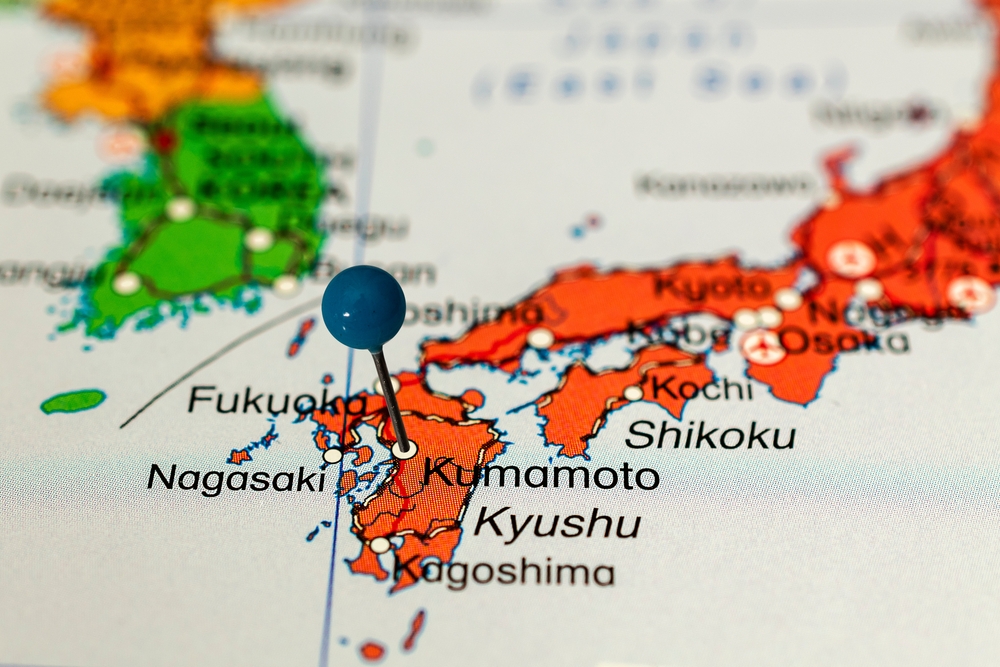
Japan is now home to some of the world’s oldest people. According to the Ministry of Health, Labor and Welfare, Fuyo Kishimoto, a 114-year-old woman from Kyoto, and Hikaru Kato, a 112-year-old man from Kumamoto, are among the country’s oldest residents.
The growing number of elderly citizens reflects Japan’s remarkable advances in healthcare and longevity but also highlights major economic and social challenges.
Economic Pressure From an Aging Population
While people are living longer, Japan’s overall population continues to decline. The country’s population of approximately 123 million is shrinking as birth rates fall to record lows.
The aging population is increasing pressure on healthcare systems, elderly care services and public finances while reducing the size of the available workforce.
To address labor shortages, Japan has expanded opportunities for skilled and foreign workers in recent years. However, the government has also introduced stricter visa requirements amid growing concerns about immigration and foreign worker policies.