New studies point to a possible cancer link
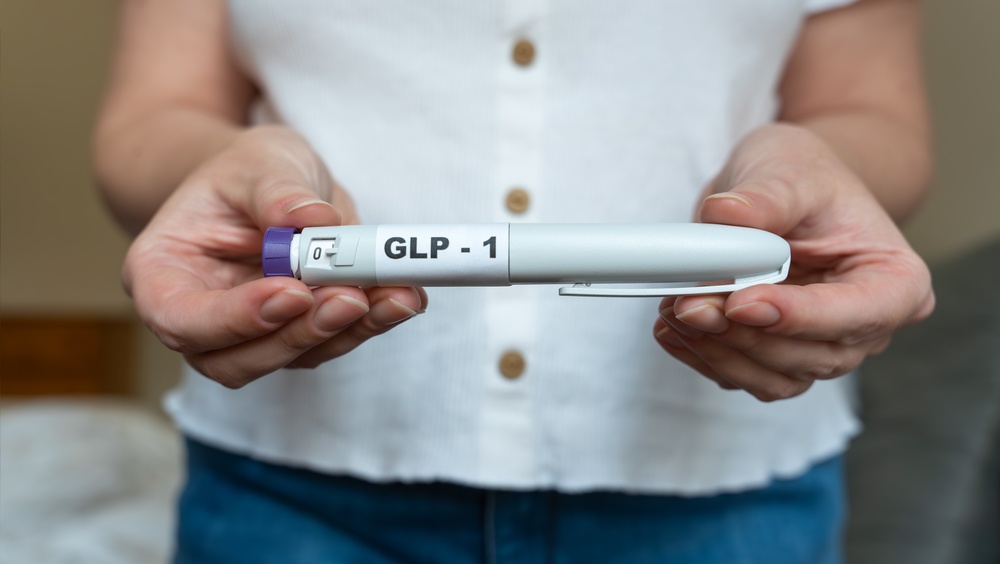
GLP-1 obesity and diabetes drugs are attracting growing attention for a potential benefit beyond weight loss: a lower risk of certain cancers.
Recent studies suggest these treatments may not only reduce cancer risks associated with obesity, but could also influence inflammation and other biological pathways linked to tumor growth.
Research presented at major oncology meeting
The possible role of GLP-1 drugs in cancer prevention and control was one of the notable themes at last month’s American Society of Clinical Oncology meeting.
The group highlighted several studies, including some published in its Journal of Clinical Oncology, that examined whether these drugs may be connected to lower cancer risk.
Large patient analysis shows lower risks
One of the most prominent studies reviewed medical and prescription records from more than 10,000 patients with early-stage cancer.
The analysis found that GLP-1 use was linked to lower risk in six of seven cancers studied, with four showing statistically significant reductions.
Breast, liver and colorectal cancers decline
The strongest results appeared in breast cancer, liver cancer, colorectal cancer and non-small cell lung cancer.
Kidney and prostate cancer risks also declined, though less clearly, while pancreatic cancer showed the smallest effect.
Findings extend beyond obesity-linked cancers
One of the most striking points is that the apparent benefit was not limited to cancers already known to be associated with obesity.
For non-small cell lung cancer, for example, progression to Stage IV disease occurred in 22.3% of patients not taking GLP-1 drugs, compared with 10% among those using them.
How GLP-1 drugs work
GLP-1 drugs were first developed decades ago to treat diabetes.
They affect hormonal signals in the brain and gut, helping reduce hunger, slow digestion and improve metabolic regulation.
Benefits have expanded over time
Since their original use in diabetes, GLP-1 drugs have shown benefits in other areas.
They are now widely used for obesity and have also shown promise in heart disease, sleep apnea and potentially addiction, with cancer becoming the latest area of scientific interest.
Evidence remains preliminary
Experts caution that the current findings do not prove GLP-1 drugs are cancer treatments.
The studies are correlative, meaning they can show associations but cannot yet confirm that the drugs directly reduce cancer risk or slow disease progression.
Limits of retrospective data
Dr. Julie Gralow, chief medical officer of ASCO, noted that many of the analyses relied on retrospective medical databases.
Those databases may not capture important details such as other health conditions, exercise habits, diet quality or broader lifestyle patterns.
Consistent with what is known about obesity
Even with those limitations, Gralow said the findings fit with existing knowledge about obesity and cancer.
Obesity is known to increase the risk of about a dozen cancers, and healthier lifestyle patterns can play an important role both after diagnosis and during recovery.
Breast cancer findings draw attention
Another study presented at the conference focused on breast cancer risk.
Researchers matched mammogram images with prescription data and found that women aged 45 to 80 who took GLP-1 drugs were 30% less likely to develop breast cancer.
Weight loss may not explain everything
Cancer risk often declines when people lose weight, whether through diet, surgery or medication.
But radiologist Elizabeth McDonald of the University of Pennsylvania, a co-author of the breast cancer study, said weight loss alone did not appear to explain the size of the observed effect.
Inflammation may be part of the answer
Researchers are now looking more closely at how GLP-1 drugs may affect biological systems beyond appetite and digestion.
McDonald suspects these drugs may influence other metabolic pathways, including inflammation, which is known to play a role in cancer development and progression.
New trials are underway
More studies are beginning to examine whether GLP-1 drugs affect chronic inflammation, immune suppression and other conditions that may help cancers grow.
These trials could help determine whether the early associations seen in medical records reflect a deeper biological effect.
Rutgers study will track breast cancer patients
Oncologist Coral Omene at Rutgers Cancer Institute plans to follow 40 breast cancer patients starting tirzepatide, a GLP-1 drug sold under the brand names Mounjaro and Zepbound.
The study will monitor blood samples, cancer markers and abdominal fat cells over time to better understand how the drug affects hormones, inflammation and immune activity.
Researchers seek clearer mechanisms
Omene said her team will track how immune cells behave as patients receive treatment.
The goal is to understand whether GLP-1 drugs can influence the body’s cancer-related environment in ways that go beyond weight loss.
A promising but unproven direction
The early evidence around GLP-1 drugs and cancer risk is encouraging, but still incomplete.
For now, the strongest conclusion is that the drugs may be linked to lower cancer risk in some patients, especially where obesity, inflammation and metabolic dysfunction are involved.
What scientists need to know next
The next stage of research will need to show whether GLP-1 drugs directly reduce cancer risk, which patients may benefit most and whether the effect comes from weight loss, lower inflammation, immune changes or a combination of factors.
Until then, the findings mark an important new area of cancer research, but not yet a basis for treating cancer with GLP-1 drugs.