A Pact To Reduce U.S. Dependence
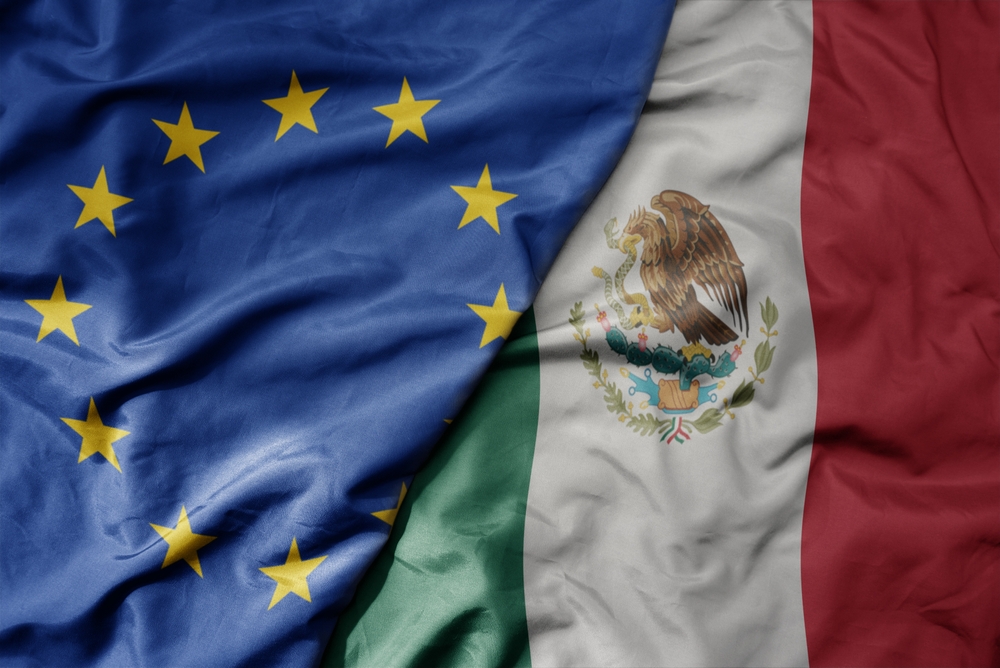
Mexico and the European Union signed a long-delayed free trade agreement on Friday, strengthening economic ties as both sides seek to reduce dependence on the United States and limit exposure to President Donald Trump’s tariffs.
The agreement modernizes a trade framework first established in 2000, which had focused mainly on industrial goods. The updated pact broadens the relationship to include services, government procurement, digital trade, investment and agricultural products.
A Geopolitical Signal
The deal was signed in Mexico City by Mexican President Claudia Sheinbaum, European Commission President Ursula von der Leyen and European Council President Antonio Costa during the first Mexico-EU summit in more than a decade.
Costa described the agreement as a geopolitical statement, arguing that the modernized framework leaves both sides better prepared to face current global challenges. Sheinbaum said the deal opens major opportunities in pharmaceuticals, agriculture, technology and electric mobility.
Tariffs Push Both Sides To Diversify
The agreement comes as both Mexico and the EU seek to diversify exports away from the U.S. The EU was hit by sweeping new duties under Trump’s “Liberation Day” tariffs in April 2025, while Mexico has faced steep U.S. tariffs on automotive, steel and aluminum exports.
Although tariff tensions between Washington and Brussels eased after a truce and a July deal, U.S. duties on EU exports remain elevated. Mexico’s relationship with the U.S. has also been volatile throughout Trump’s second term.
Mexico Looks Beyond Its Main Market
More than 80% of Mexico’s exports currently go to the United States, making diversification a major strategic priority. Mexico’s economy ministry estimates the new agreement could lift Mexican exports to the EU from about 24 billion dollars a year to 36 billion dollars by 2030.
The EU currently exports around 65 billion dollars in goods annually to Mexico. Over the past decade, trade between the two sides has already grown by 75%, led by transport equipment, machinery, chemicals, fuels and mining products.
A Broader Market For Goods And Services
The new pact provides duty-free access for almost all goods, including selected farm products. Mexican chicken and asparagus, along with European milk powder, cheese and pork, are among the products covered, although some quotas will apply.
The inclusion of services, digital trade and investment gives the agreement a much broader economic reach than the original 2000 accord. It also reflects how trade relationships have evolved beyond traditional goods and manufacturing.
A Delayed Signature
The updated trade deal had been ready for more than a year, but its signing was delayed. The EU had prioritized a free trade agreement with the South American Mercosur bloc and recently concluded negotiations with Indonesia, India and Australia.
Mexico, meanwhile, moved cautiously to avoid angering the Trump administration during sensitive talks over extending the U.S.-Mexico-Canada trade pact. That caution reflected the importance of the U.S. market to Mexico’s economy.
European Parliament Approval Next
The agreement must still be approved by the European Parliament, which is expected to vote on it within the next few months.
Von der Leyen said the goal is to create more jobs and more value on both sides of the Atlantic. For Mexico and Europe, the deal marks a renewed effort to build a stronger commercial bridge at a time when trade tensions, tariffs and geopolitical uncertainty are reshaping global supply chains.