Talks Advance But No Final Agreement Yet
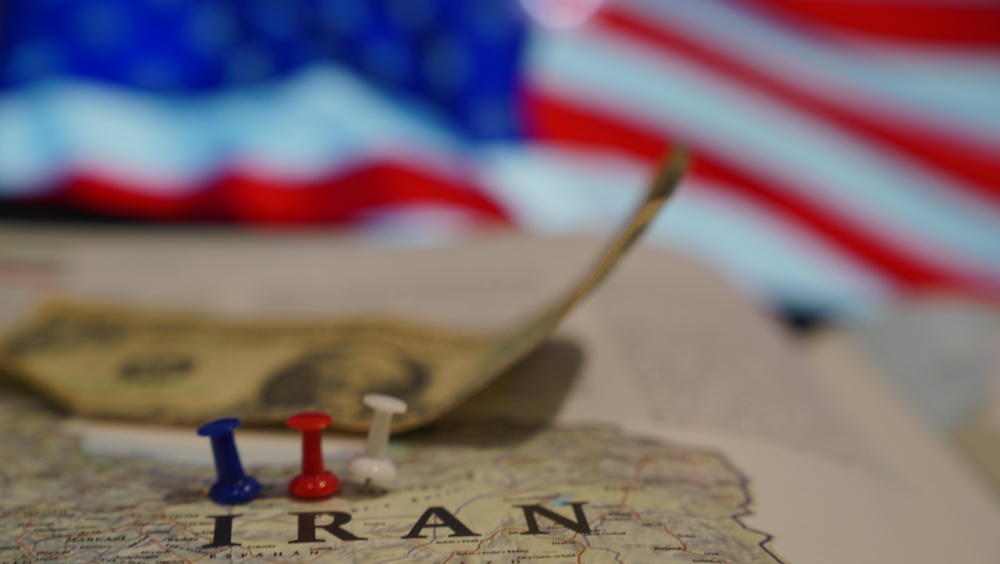
The United States and Iran appear to be moving closer to a deal that could end the war and reopen the Strait of Hormuz, though several major issues remain unresolved.
U.S. President Donald Trump said Monday that negotiations are “proceeding nicely,” while warning that fighting would resume if no agreement is reached. The timing, structure and implementation of any deal remain unclear.
Iran Says Work Still Remains
An Iranian delegation led by parliament speaker Mohammad Bagher Qalibaf travelled to Qatar on Monday as part of the negotiations. Qalibaf previously led historic face-to-face talks with Vice President JD Vance in Pakistan last month.
Iranian Foreign Ministry spokesman Esmail Baghaei said understandings had been reached on a large portion of the issues, but cautioned that no one could yet claim an agreement is on the verge of being signed.
The War Would End
Iran has insisted that any deal must focus first on ending the fighting on all fronts. The war began 12 weeks ago when the United States and Israel launched attacks that killed Iran’s Supreme Leader Ayatollah Ali Khamenei and other senior officials.
The draft agreement would reportedly include an end to fighting between Israel and Hezbollah in Lebanon, as well as a commitment not to interfere in the domestic affairs of countries in the region.
Israel’s Security Role Remains Sensitive
One unresolved issue concerns Israel’s ability to respond to threats in Lebanon. The United States wants Israel to retain freedom to act against what it considers imminent threats.
Iran rejects that approach, according to one regional official. A U.S. official said the deal would guarantee Israel’s right to act in self-defense against immediate threats.
Hormuz Would Reopen Gradually
The Strait of Hormuz has become one of the most important parts of the negotiations. Before the war, the waterway was open to international shipping, but Iran’s control over the strait quickly became a global concern.
Hundreds of ships carrying oil, natural gas, fertilizer and other goods have been stranded, driving prices higher far beyond the region. Under the emerging agreement, the strait would reopen gradually as the United States ends its blockade of Iranian ports.
Sanctions Relief Would Be Negotiated
The U.S. blockade, imposed on April 17, has limited Iran’s ability to export oil and bring in revenue for its struggling economy.
One official said the United States would allow Iran to sell oil through sanctions waivers. Broader sanctions relief and the release of billions of dollars in frozen Iranian funds would be negotiated during a 60-day period.
Iran’s Enriched Uranium Is Central
Iran’s nuclear program remains one of the most sensitive parts of the talks. Under the potential deal, Tehran would agree to give up its stockpile of highly enriched uranium.
How that stockpile would be handled would be negotiated during the 60-day period. Some of the uranium could be diluted, while the rest could be transferred to a third country. Russia has offered to take it.
No Uranium Deal, No Sanctions Relief
A U.S. official said sanctions relief would not happen unless Iran gives up its stockpile. Iran currently has 440.9 kilograms of uranium enriched up to 60% purity, close to the technical threshold for weapons-grade material.
Iran maintains that its nuclear program is peaceful and says it has an inalienable right to nuclear technology. President Masoud Pezeshkian said Sunday that Iran is ready to assure the world it is not seeking a nuclear weapon.
Several Questions Remain Open
Despite signs of progress, key issues remain unsettled. These include whether Iran will be allowed to enrich uranium in the future, what enrichment level would be permitted and what happens to its missile program.
There also appears to be no active discussion of leadership change in Tehran, despite earlier hopes in Washington and Israel that domestic unrest could weaken the government. Iran’s previous demands for U.S. troop withdrawals from the region and reparations for war damage also appear absent from the current framework.
A Fragile Path To De-Escalation
Trump said the outcome would either be a “Great Deal” or no deal at all, warning that fighting could return “bigger and stronger than ever before.”
For global markets and regional governments, the stakes are high. A deal could reopen one of the world’s most important shipping routes, ease energy pressure and reduce the risk of wider conflict. But with nuclear terms, sanctions relief, Israel’s security role and Hormuz still unresolved, the path to a final agreement remains fragile.