Political crisis and protests
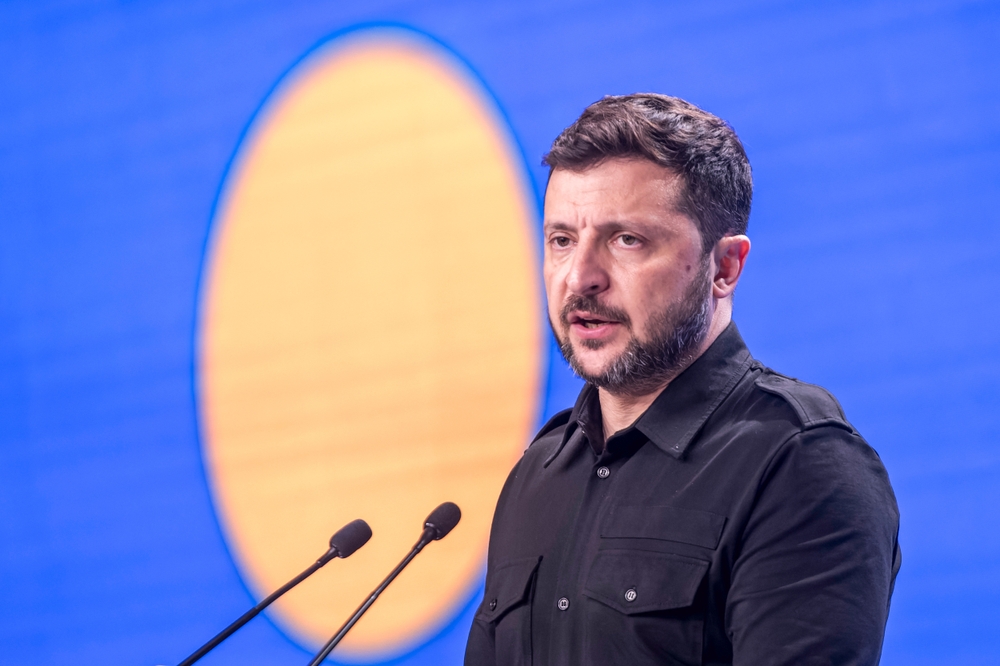
Volodymyr Zelenskyy is under growing pressure to reinstate sacked defence minister Mykhailo Fedorov. Campaigners have vowed indefinite nationwide protests until Fedorov regains his position. Zelenskyy attempted to defuse tensions by offering Fedorov a deputy prime minister role, which he declined, insisting on returning as defence minister.
Military reshuffle
Zelenskyy appointed Mykhailo Drapatyi as the new head of Ukraine’s armed forces, and Yevhenii Khmara as acting defence minister. Major General Ihor Skybiuk replaced Andrii Hnatov as head of the general staff. Drapatyi’s appointment has been widely approved, including by former president Petro Poroshenko, though challenges remain with potential Russian mobilisation in September.
Ongoing military operations
Ukrainian forces have conducted long- and mid-range strikes on Russian territory, southern Ukraine, and Crimea, targeting oil refineries, military depots, ships, and online retailer warehouses in Krasnodar and Nevinnomyssk. Drapatyi’s mandate includes intensifying offensive operations, developing new technologies, and enhancing overall military capabilities.
Background and leadership conflict
The crisis stems from a generational clash between Fedorov, a 35-year-old tech-focused moderniser, and Syrskyi, a 60-year-old Soviet-trained traditionalist. Syrskyi defended his record in a valedictory statement, highlighting his contributions to reclaiming over 700 sq km of Ukrainian territory and establishing the world’s first dedicated drone branch within the armed forces.
International reactions
Russian bloggers recognize Drapatyi’s strategic abilities, noting his rapid rise from battalion commander to head of the armed forces. The Kremlin indicated that the leadership changes would not affect ongoing frontline operations.