New attacks on shipping routes have increased concerns that the five-month conflict between the United States and Iran could continue, putting further pressure on global energy markets.
Shipping Attacks Raise Tensions
The United States and Yemen’s Iran-aligned Houthi movement reported separate attacks on maritime vessels on Tuesday as diplomatic efforts to end the conflict showed signs of weakening.
Oil prices increased and global stock markets declined as investors reacted to renewed uncertainty. Brent crude futures rose 1.4% to $88.91 per barrel, while U.S. crude gained 1.3% to $83.20.
The Houthis reported an attack on a Saudi vessel carrying military equipment in the Bab el-Mandeb Strait. Separately, Yemen’s Transport Ministry said four crew members were killed in a suspected Houthi attack on the Egyptian-owned cargo vessel Tihamah, marking the first reported deaths from a Houthi strike on shipping since the Iran war began.
Strait of Hormuz Remains Closed
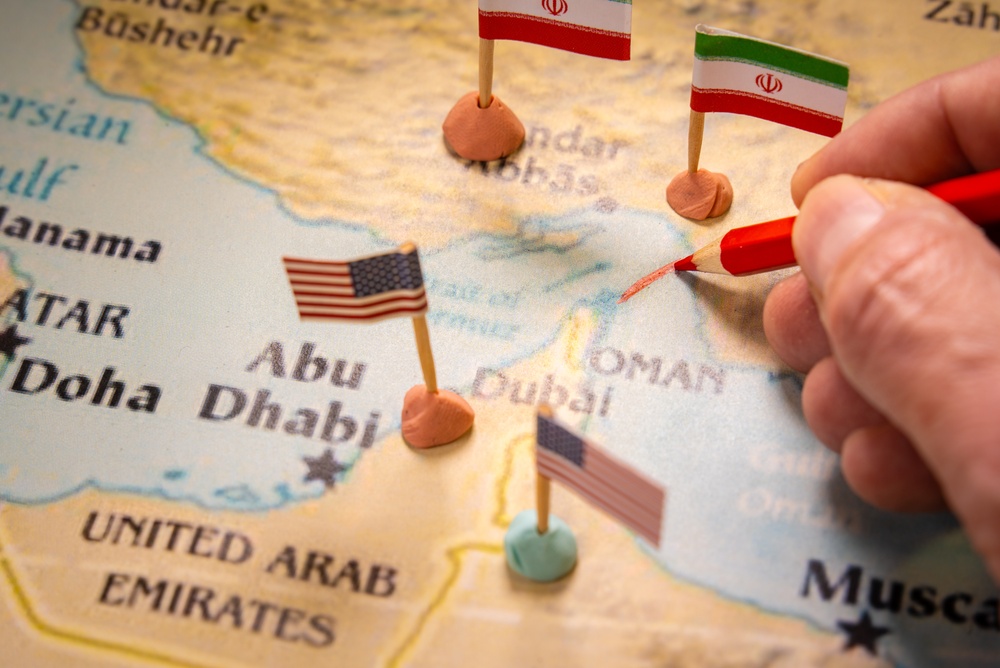
Iranian officials said the Strait of Hormuz will remain closed unless the United States accepts Tehran’s conditions for ending the conflict.
Mohsen Rezaei, Iran’s top security official, said the key shipping route would not reopen until Washington agrees to demands including the release of frozen Iranian assets and an end to conflicts across the region.
The Strait of Hormuz previously handled around one-fifth of global oil and liquefied natural gas shipments before the war, making its continued closure a major concern for energy markets.
U.S. and Iran Increase Rhetoric
Tensions between Washington and Tehran intensified after U.S. President Donald Trump demanded compensation from Iran for deaths linked to decades of conflicts, while also suggesting negotiations could continue.
Iranian officials responded with stronger statements, warning that shipping restrictions would remain in place unless U.S. actions changed.
The United States has not issued an immediate response to Iran’s latest conditions.
Conflict Risks Further Escalation
The conflict began after the United States and Israel launched attacks on Iran on February 28, leading to strikes against U.S. assets and infrastructure across the region.
Iranian military officials have also warned of expanding operations beyond current battle zones. Mohammad Reza Naqdi, an adviser to Iran’s Revolutionary Guards commander, said Iran was developing the capability to conduct operations on foreign territory if required.
With uncertainty surrounding diplomatic negotiations and continued disruptions to major shipping routes, investors remain focused on the potential impact on oil prices, inflation and global economic stability.