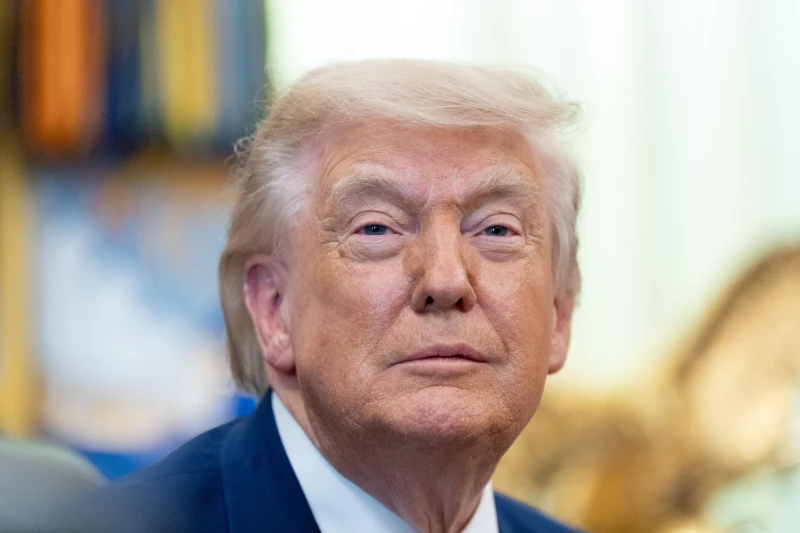
As the conflict between the United States and Iran enters its fourth month, President Donald Trump is facing mounting pressure from allies and critics who warn that his strategy risks leaving him politically and diplomatically trapped. What Trump initially portrayed as a short military operation has evolved into a prolonged standoff, with ceasefire negotiations stalled, global energy markets unsettled, and growing concerns about the economic and political consequences of the conflict.
A Fragile Ceasefire Hanging by a Thread
Nearly a week has passed since U.S. and Iranian negotiators reached a tentative agreement to extend the ceasefire for 60 days while launching a new round of talks over Iran’s nuclear program. However, the agreement remains unsigned after Trump demanded unspecified changes, while Iranian officials have shown little willingness to make further concessions.
Recent military strikes by both sides have fueled fears that the ceasefire could collapse entirely. Despite the tensions, Trump sought to minimize concerns, telling reporters in the Oval Office, “It’s a different part of the world. You know, I’d say in that part of the world, a ceasefire is when you’re shooting in a more moderate manner.”
The president has repeatedly expressed optimism that a breakthrough is imminent, saying on Wednesday that an agreement could emerge “over the weekend.” Yet negotiations remain uncertain, and the continued closure of the Strait of Hormuz has kept energy prices elevated, increasing concerns about rising costs for consumers worldwide.
Growing Concerns Inside the White House
According to officials familiar with internal discussions, concerns are growing within the administration that Trump may be running out of favorable options. The president faces pressure from multiple directions as Democrats criticize the economic fallout of the war while hawkish Republicans warn against ending the conflict without significant concessions from Iran.
Military advisers and Gulf allies have reportedly urged caution regarding any return to large-scale military operations. They argue that the United States has consumed critical munitions at a rapid pace, with some weapons systems potentially requiring up to three years to replenish.
At the same time, Gulf nations remain concerned that renewed hostilities could trigger Iranian retaliation against key infrastructure and energy facilities, further damaging regional economies.
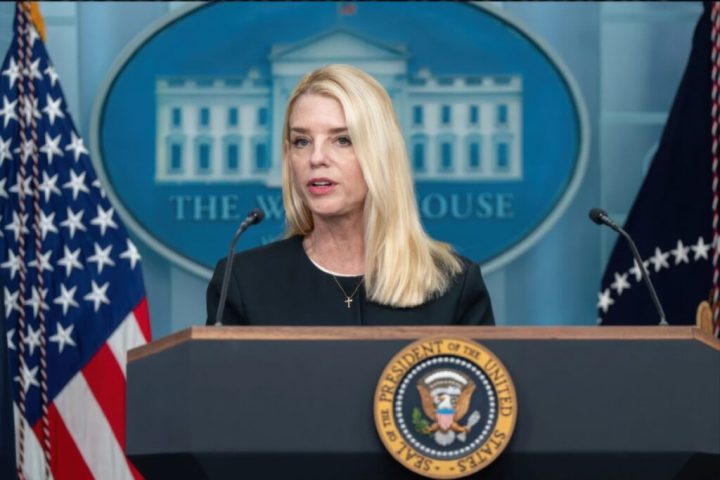
White House spokeswoman Anna Kelly rejected suggestions that Trump has become trapped by the situation, dismissing reports that the administration is concerned about the pace of negotiations.
Balancing Diplomacy and Political Legacy
Trump also faces the challenge of avoiding an agreement that resembles the 2015 nuclear deal negotiated under former President Barack Obama. During his first term, Trump withdrew from that agreement, arguing that it failed to permanently halt Iran’s nuclear ambitions and did not adequately address missile development or support for militant groups.
Sources familiar with administration discussions say Trump is determined not to strike what he considers “a bad deal” and is mindful of how the outcome could shape his legacy.
Meanwhile, some Israeli officials and hawkish allies in Washington have urged Trump to increase economic pressure on Iran and support Israel’s military campaign against Hezbollah in Lebanon. However, Trump recently pushed back against those efforts during a heated conversation with Israeli Prime Minister Benjamin Netanyahu, reportedly demanding that Israel reduce military operations.
Soon afterward, Israel and Lebanon announced a renewed ceasefire agreement, although Hezbollah rejected the arrangement and was not involved in the negotiations.
Iran’s Strategy and the Battle for Leverage
Some analysts believe the current stalemate benefits Iran more than the United States. Behnam Ben Taleblu, a senior fellow at the Foundation for Defense of Democracies, argues that Tehran sees strategic value in prolonging the deadlock.
“Either way, Tehran appears more resolute than ever to not provide Trump with a victory image, hence why it isn’t budging on the battlefield or negotiating table,” Taleblu said.
According to Taleblu, Iran may be calculating that the longer the situation remains unresolved, the more difficult it becomes for Trump to claim a political victory or justify further military action.
The result is a diplomatic contest in which neither side appears willing to make the concessions necessary for meaningful progress.
Election-Year Risks Intensify
The political implications of the conflict are becoming increasingly significant as the United States approaches the November midterm elections. Democrats have begun focusing heavily on the economic consequences of the war, particularly rising fuel costs and inflationary pressures.
This week, the House of Representatives passed a symbolic resolution calling for an end to military operations against Iran, with four Republicans joining Democrats in supporting the measure. Trump dismissed the vote as “meaningless.”
“The Democrats are fueled by Trump Derangement Syndrome,” Trump wrote on social media. “The four Republicans, that’s a whole other story – They’re GRANDSTANDERS! They should be ashamed of themselves.”
During congressional hearings, Democratic lawmakers challenged administration officials over the handling of the conflict. Senator Cory Booker argued that the unstable ceasefire demonstrated that Iran retained leverage.
“We are the strongest nation on the planet Earth, and we’re in a stalemate with Iran,” Booker said. “And now we’re begging to get back into a deal that you all trashed in the first place.”
Secretary of State Marco Rubio rejected that assessment, stating, “There’s no one begging. I don’t know where you’re getting this perception that Iran is stronger.”
Political analysts warn that a prolonged conflict could become increasingly problematic for Republicans in competitive districts. Christopher Borick, director of the Muhlenberg College Institute of Public Opinion, noted that voters remain highly sensitive to fuel prices and broader economic concerns.
“There’s significant risk in having this thing drag on for Republicans,” Borick said. “But for Republicans in some of these tough swing districts, there’s a case to be made to rip the bandage off now, get some easing in the oil markets and hope there’s enough time for voters to turn the page.”
As negotiations remain stalled and military tensions continue to simmer, President Trump faces one of the most complex foreign policy challenges of his presidency. With pressure mounting from allies, critics, military advisers and voters, the administration must navigate a narrow path between renewed conflict and a diplomatic agreement. The outcome could shape not only the future of U.S.-Iran relations but also the political landscape heading into a critical election season.