Italy plans to deploy an additional 500 army personnel to Milan following a weekend of unrest that saw protesters clash with police, loot retail stores and damage property. Deputy Prime Minister Matteo Salvini announced the move on Monday as authorities prepared new security measures to prevent further violence in the country’s financial centre.
The deployment is expected to form part of a broader security package scheduled for discussion at a cabinet meeting on Tuesday. Businesses across central Milan have already begun taking precautions, with some stores closing early and boarding up their windows amid concerns about another outbreak of disorder.
The unrest has raised pressure on Prime Minister Giorgia Meloni’s government to respond to public demonstrations over the rising cost of living and dissatisfaction with public services.
Milan Retailers Strengthen Security Measures
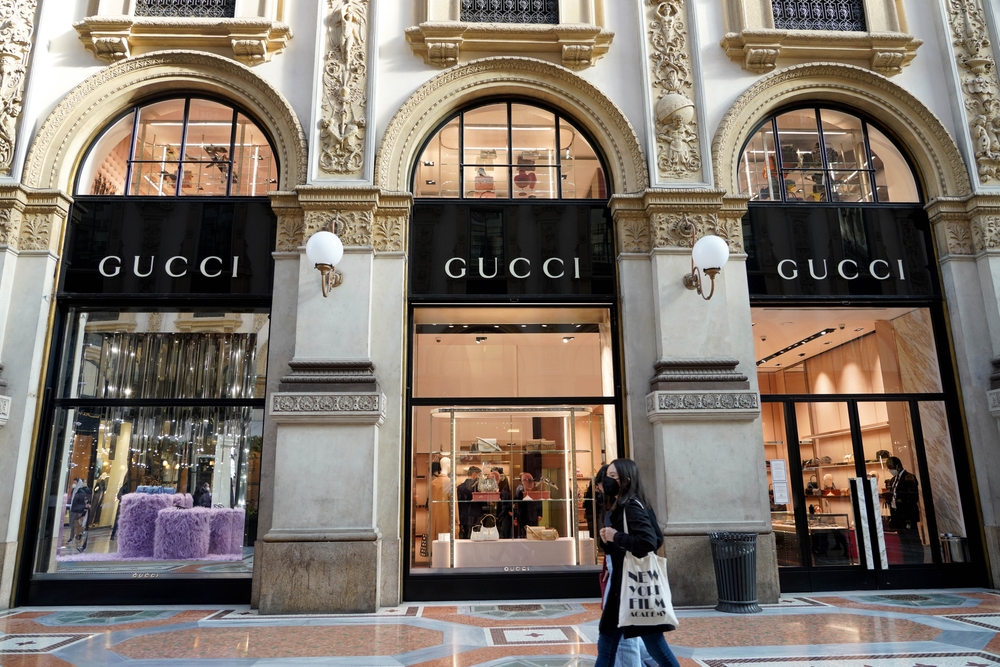
Businesses in Milan’s prominent shopping districts have taken steps to protect their premises as police maintain a visible presence across the city. In Via Montenapoleone, a luxury retail destination featuring brands such as Chanel, Tiffany and Dior, many shops removed merchandise from display windows as a precaution.
Other retailers have installed temporary protective coverings over their storefronts. Television footage showed damage at stores including Decathlon, Arc’teryx and Vodafone, while Levi’s and Under Armour also covered their windows with cardboard and wooden panels.
The disturbances followed an initially peaceful demonstration on Saturday addressing poor public services and increasing living costs. Several hundred hooded protesters, many believed to be minors, subsequently set rubbish bins on fire and looted shops in the city centre over the weekend.
Government Considers Tougher Security Measures
Salvini, leader of the right-wing League party, announced the additional troop deployment through social media, presenting it as a direct response to the violence. The proposed measures come as the government faces mounting pressure to restore order and prevent further damage to businesses and public property.
Meloni chaired a meeting with ministers and security officials on Monday to assess the situation. Foreign Minister and Deputy Prime Minister Antonio Tajani said the government would respond firmly, including through measures intended to curb violence involving minors.
According to Corriere della Sera, the government is considering extending preventive detention provisions for minors and taking stronger action against youth gangs. Officials are also reportedly examining whether certain measures from an existing security bill under parliamentary review could be introduced sooner.
Police Report Hundreds Detained
Italian police said 271 young people were detained during Sunday’s unrest in Milan. Of those taken to police stations, 32 were arrested, including 23 minors and 13 foreign nationals, according to police statements on Monday. A further 28 people were reported to judicial authorities.
The disturbances were not confined to Milan. Clashes also occurred on Saturday in other northern Italian cities, including Bologna, Brescia, Bergamo and Turin. A police report released on Sunday stated that 28 protesters had been arrested in connection with those incidents.
The spread of unrest across several urban centres has increased the urgency of the government’s response, particularly as officials consider additional measures involving public security and youth violence.
Cost-of-Living Pressures Fuel Wider Protests
The demonstrations in Italy reflect broader public concerns about living costs and the quality of public services. These issues have also featured in protests elsewhere in Europe, where households continue to face economic pressures and governments confront demands for improved services and greater affordability.
In neighbouring France, hundreds of thousands of people reportedly took to the streets on Saturday in demonstrations described as among the country’s most violent in recent years. The parallel unrest has drawn attention to the social and political challenges facing European governments.
For Italy, the immediate priority is preventing further disorder in Milan while protecting commercial districts and public infrastructure. The planned deployment of additional troops and the security package under consideration will indicate how the government intends to respond as concerns about public safety and the cost of living continue to shape the political environment.