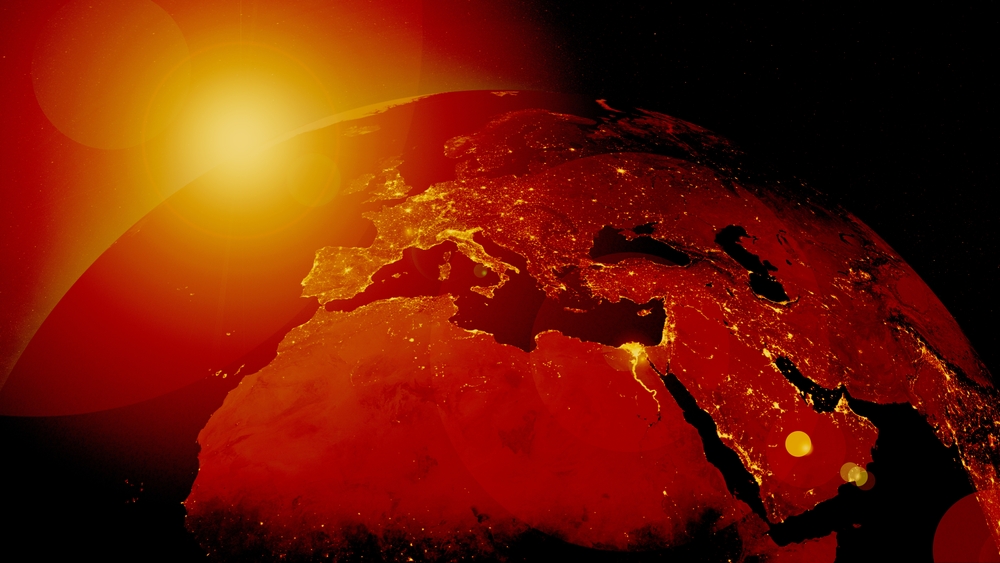
Extreme Weather Fuels Debate Over Climate Responsibility
As wildfires, heatwaves and other extreme weather events become more frequent, some climate advocates are arguing that the consequences of global warming should be viewed not only as environmental tragedies, but also as potential legal violations.
The growing debate follows a series of severe weather events, including record-breaking wildfires affecting parts of the Midwest and Northeast, as well as deadly heatwaves that disrupted public celebrations and daily life for many families.
Scientists have increasingly linked these events to human-caused climate change. Research has found that some recent extreme heat events would have been extremely unlikely without rising global temperatures driven by greenhouse gas emissions.
Criticism of Fossil Fuel Companies Intensifies
Climate activists have increasingly focused criticism on major oil companies, arguing that fossil fuel producers understood the risks associated with their products while continuing to expand production.
According to climate researchers and advocates, some companies had internal knowledge about potential climate impacts decades ago but supported campaigns that questioned or minimized climate science.
This has led some groups to call for stronger legal action against major oil companies, including proposals for special tribunals similar to historical international courts used for major crimes.
Existing Laws Could Be Used Against Companies
Some legal experts argue that new legal systems may not be necessary because existing criminal laws could potentially apply to actions that knowingly create widespread risks.
One example is reckless endangerment laws, which generally prohibit behavior that creates a substantial risk of harm to others. Supporters of legal action argue that companies could face scrutiny if they knowingly contributed to dangerous conditions while concealing relevant information.
Other laws related to causing or risking catastrophes could also become part of future legal discussions. These laws address actions that create widespread injury or damage, particularly when individuals or organizations fail to address known dangers.
Climate-Related Deaths Increase Legal Pressure
Another area of debate involves involuntary manslaughter laws, which can apply when reckless actions contribute to someone’s death.
As climate-related deaths increase, some victims and their families have begun pursuing legal claims against fossil fuel companies, arguing that emissions contributed to extreme weather events that caused harm.
Recent lawsuits have explored whether fossil fuel companies can be held responsible for damages linked to climate impacts, potentially opening the door for further legal challenges.
Calls for Climate Justice Continue
Supporters of stronger accountability measures argue that climate-related harm will continue increasing unless governments take action against companies they believe contributed significantly to the crisis.
While some advocates continue calling for specialized legal frameworks, others argue that existing laws already provide tools to investigate and prosecute companies if wrongdoing can be proven.
The debate over climate responsibility is expected to continue as governments, courts and communities respond to the growing impact of extreme weather events.